
Blog
How to Legally Change Your Name in Canada
April 5, 2024

Changing Your Name
People change their names for various reasons, like after a divorce, due to religious beliefs, or to make a political statement. It is perfectly legal to change your name, as long as you are not doing it to commit fraud or commit any illegal activities. It is important to understand that the name change process varies across provinces and territories. Here is a guide on what to consider when undertaking a name change in Canada, with a focus on the process in Alberta, British Columbia, Ontario and Quebec. See below for links to change of name information for all provinces and territories.
Who is Eligible to Change Their Name in Canada?
Any Canadian citizen is eligible to change their name if they meet the criteria of the province or territory where they are applying. As well, permanent residents of Canada are also eligible to change their names. Parents can change the names of their minor children. The age at which a person can submit an adult name change application on their own behalf without parental consent is different in each province and territory. For example, the age is 19 in British Columbia, but 18 in Ontario.
What Do You Need to Change Your Name in Canada?
While the process of changing your name can differ from one Canadian province to another, there are some common requirements you will need to meet. To get started, you will typically have to provide:
● A valid government ID
● Evidence of your current name
● Proof of relationship if you are changing a child’s name
● Your current birth certificate
● A completed application form
● The necessary application fee and any associated costs.
Changing Your Name in Alberta
If you are considering a name change in Alberta, you must be 18 to apply without the permission of a guardian, and you need to reside in Alberta throughout the entire name change process. As well, those on the high-risk criminal registry in Alberta are not eligible to change their names. If you meet these criteria, here is how to legally change your name in Alberta:
● Obtain the application form from the Alberta Government website.
● Gather Your Documents: Collect all the necessary supporting documents.
● Complete the Application: Fill in the name change application form.
● Commission Affidavit: Have the affidavit (included with the name change package) commissioned before a Notary Public/Commissioner of Oaths.
● Get Fingerprinted: Fingerprints by the RCMP, local police or an accredited fingerprint agency are required for all applicants age 12 and older
● Return Existing Birth Certificates: You must surrender any current birth certificates.
● Submit and Pay: Send in your completed application, along with the application fee.
The whole process typically takes between six to eight weeks.
Changing Your Name in British Columbia
Here is how you can apply for a legal name change in British Columbia (For Applicants 19 and Older):
● Pay online: You can start the application process and pay online using a credit card.
● Gather all necessary documents: as specified in the application form which can be found on the British Columbia government website;
● Complete the application form
● Obtain an RCMP criminal record check: This can be done at an RCMP detachment, local police station, or an accredited fingerprints agency.
● Have the statutory declaration commissioned: You need to sign the document before a notary public/commissioner of oaths.
● Submit the documents: After completing the online process, submit a printout of your application and all required documents by mail or in-person to the provided addresses.
It currently takes about 15 weeks for name change applications to be processed.
Changing Your Name in Ontario
Adults aged 18 or older may submit their own applications If you are 16 or 17, you can submit your own application, but you must include proof of consent from your legal guardian. You must have lived in Ontario for at least a year before applying. Here is how to legally change your name in Ontario:
● Get the Forms: Download the application forms from the Ontario government website or request them from Service Ontario.
● Determine if you need a criminal record check: If you have a criminal record, you will be required to submit a criminal background check along with your application
● Complete Forms: Fill out the forms and gather all required documents.
● Sworn Statement: Once you have completed the forms, you must make a Statutory Declaration that all the information in your application is true before a Commissioner of Oaths/Notary Public.
● Submit and pay the fee: Mail payment information along with your application and documents to the Office of the Registrar General or visit the Service Ontario name change center.
Expect 6-8 weeks for processing if all requirements are met.
Changing Your Name in Quebec
Applicants age 14 and older can submit their own application, although the guardians of applicants age 14 to 17 must be informed of the name change application.
Here is how you can apply for a name change in Quebec:
● Preliminary Check: You must first submit a preliminary check application online or by mail to the Quebec Government. If you are eligible to apply for a name change, the name change forms will be mailed to you. The preliminary check is free.
● Gather Documents: After the Name Change form has been mailed to you, gather all the required documents
● Complete the forms
● Public Notice: Notify interested parties about your name change decision.
● Sworn Statement: You must sign a statutory declaration regarding your application before a notary public/commissioner of oaths.
● Submit Forms and pay the fee: Complete all forms, and send them and payment information to the directeur de l’état civil.
Expect 90 business days for processing if all required documents are provided.
How Can Red Seal Notary Help?
Red Seal Notary’s team of professional notaries can help you commission or notarize the sworn statements required for your name change applications. Just bring in the completed application and statutory declaration form to one of our convenient walk-in offices in Toronto, Ottawa, and Mississauga, or make an appointment at locations across Canada. Bring a piece of photo identification with your current name on it, and sign the declaration form in front of the notary.
As well, if you require a criminal background check as part of your name change application process, Red Seal Notary can help. Bring two pieces of identification and any instructions to one of our walk-in locations, and our knowledgeable fingerprint technicians will be happy to assist you.
Please visit our website at www.RedSealNotary.com or contact our helpful call center at 1-888-922-7325 to make an appointment to notarize documents at locations across the country.
Helpful Links
- Alberta Name Change Information
- British Columbia Name Change Information
- Ontario Name Change Information
- Quebec Name Change Information
- Nova Scotia Name Change Information
- Newfoundland Name Change Information
- Prince Edward Island Name Change Information
- New Brunswick Name Change Information
- Saskatchewan Name Change Information
- Manitoba Name Change information
- Yukon Change of Name Information
- Northwest Territories Name Change Information
- Nunavut Name Change Information
Recent Posts

How to Fill Out an Affidavit of Service form in Ontario?
Completing an Affidavit of Service form in Ontario requires attention to detail and a clear understanding of its purpose in the court process. The affidavit is the official proof that you delivered legal papers to another party. Different courts in Ontario have their own Affidavit of Service forms, which can be found on the courts’ […]
Read More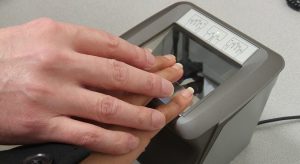
How Can I Get Fingerprinted in Canada?
Fingerprinting is an essential step in various legal and administrative procedures in Canada. Understanding the process can save you time and effort, whether you need it for immigration, employment, or background checks. This guide breaks down everything you need to know about getting fingerprinted in Canada, including the methods, steps, and special considerations, ensuring you […]
Read More
What Is an Affidavit Used for in Ontario?
An affidavit is a written statement of facts that is made under oath or affirmation. In Ontario, this legal document plays a key role in various legal, administrative, and personal matters. An affidavit provides a reliable way to present evidence and verify information in situations where a clear, written record is necessary. This article explains […]
Read More
What is RCMP Private Fingerprinting Company Accreditation?
Fingerprinting services are essential for a variety of purposes, including employment, immigration, and legal proceedings. In Canada, the Royal Canadian Mounted Police (RCMP) accredits private companies to offer secure and reliable fingerprinting services. These companies use advanced technology to capture and submit fingerprints electronically, ensuring compliance with Canadian regulations. Among these providers, Red Seal Notary […]
Read More