
Blog
Is an Affidavit Valid Without a Notary?
May 30, 2025

Affidavits are an important part of legal documentation. They serve as written statements made under oath, used as evidence in various legal matters. A common question that arises is whether an affidavit is valid without the involvement of a notary public.
This article explores the requirements for affidavits, the role of a notary, alternative methods for attestation, and the potential risks of using an affidavit that has not been notarized.
Understanding the Affidavit
An affidavit is a written declaration where the person making the statement, known as the deponent, swears or affirms that the information contained in the document is true. Affidavits are used in many legal contexts such as court proceedings, property disputes, and financial matters. The document is meant to provide a trustworthy account of facts, as lying in an affidavit is an offense.
The process of preparing an affidavit involves several steps:
● Drafting the Document: The affidavit must clearly present the facts in a logical order.
● Swearing the Oath: The deponent must formally swear or affirm that the information is true.
● Signing and Attestation: Typically, to be enforceable the affidavit is sworn and signed in the presence of an authorized official.
The Role of the Notary Public
Notaries are authorized officials who serve as impartial witnesses during the signing of important legal documents. Their primary responsibilities include:
● Verifying Identity: The notary confirms that the person signing the affidavit is indeed who they claim to be.
● Administering Oaths: The notary oversees the oath or affirmation, ensuring that the deponent understands the seriousness of their declaration.
● Attestation: After the affidavit is signed, the notary adds their official seal and signature.
Are Affidavits Valid Without a Notary?
An affidavit in Canada needs to be signed by a commissioner of oaths, who can be a notary public, lawyer, or other appointed official. It is important to remember that, in Canada, every notary public is also a commissioner of oaths, but not every commissioner of oaths is a notary public. In many cases, an affidavit that is not notarized can still be valid. However, there are important factors to consider:
When Notarization Might Be Required
Some situations call for a notary public. For instance:
● Real Estate Transactions: When dealing with property transfers, a notarized affidavit may be required to ensure the documents can be properly filed/registered.
● International Use: If an affidavit is intended for use in another Province, Territory or Country, notarization will usually be required. Notaries are registered with government authorities in Canada so that documents that they notarize can be verified by the government authority through the apostille/authentication/legalization process for use in other countries. Documents signed by a commissioner of oaths who is not a notary cannot be verified in this way.
Even when the law does not strictly require a notary’s involvement, using one can help avoid future problems if requirements increase.
Best Practices for Preparing an Affidavit
For those preparing an affidavit, whether or not notarization is legally required, it is wise to follow best practices to ensure the document is robust and reliable.
1. Understand Local Requirements
Before drafting an affidavit, research the specific legal requirements in your jurisdiction. This might involve consulting local legislation or seeking advice from a legal professional.
2. Use Clear and Accurate Language
Draft the affidavit using plain language. Ensure that the facts are presented clearly and logically. Avoid ambiguous terms and make sure every sworn statement can be supported by evidence if needed.
3. Include a Statement of Truth
The affidavit should include a declaration stating that the information is true. This statement reinforces the seriousness of the document.
4. Consider Professional Assistance
If you are unsure about the requirements or the process, consider getting help from a legal professional. Professional guidance can help avoid mistakes that might render the affidavit questionable.
5. Secure Proper Witnessing
Ensure that the affidavit is witnessed by a commissioner of oaths or a notary public. Their signature and credentials should be included on the document to add credibility.
Make Sure Your Affidavit Meets Legal Standards
The validity of an affidavit without a notary largely depends on the local legal framework and the intended use of the document. While some jurisdictions allow affidavits to be signed before a commissioner of oaths, using a notary public typically adds reliability. This can be beneficial particularly in real estate transactions and documents required for use in other jurisdictions, or that may be needed in another jurisdiction in the future.
When deciding whether to notarize an affidavit, it is important to consider the potential risks. An affidavit that lacks notarization might be subject to challenges, particularly outside Canada. Taking the time to understand the specific requirements of your jurisdiction and seeking professional advice can help ensure that your affidavit holds up when it matters most.
How Can Red Seal Notary Help?
Red Seal Notary can help you commission affidavits that you have prepared yourself or that have been provided to you by a legal professional. We can also help you prepare some simple affidavits stating information such as your marital status. However, please note that we do not provide legal advice and cannot draft affidavits for court cases and most other formal applications. All notaries at Red Seal Notary are both Commissioners of Oath and Notaries Public, and are authorized to administer oaths or affirmations for affidavits.
Red Seal Notary has convenient walk-in offices in Toronto, Ottawa, and Mississauga as well as by appointment at locations across Canada where you can have your affidavits sworn. Please visit our website at www.RedSealNotary.com or contact our helpful call center at 1-888-922-7325 to make an appointment to notarize documents at locations across the country.
Recent Posts

How to Fill Out an Affidavit of Service form in Ontario?
Completing an Affidavit of Service form in Ontario requires attention to detail and a clear understanding of its purpose in the court process. The affidavit is the official proof that you delivered legal papers to another party. Different courts in Ontario have their own Affidavit of Service forms, which can be found on the courts’ […]
Read More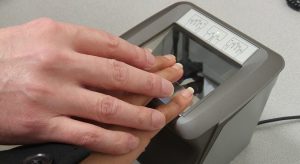
How Can I Get Fingerprinted in Canada?
Fingerprinting is an essential step in various legal and administrative procedures in Canada. Understanding the process can save you time and effort, whether you need it for immigration, employment, or background checks. This guide breaks down everything you need to know about getting fingerprinted in Canada, including the methods, steps, and special considerations, ensuring you […]
Read More What Is an Affidavit Used for in Ontario?
An affidavit is a written statement of facts that is made under oath or affirmation. In Ontario, this legal document plays a key role in various legal, administrative, and personal matters. An affidavit provides a reliable way to present evidence and verify information in situations where a clear, written record is necessary. This article explains […]
Read More
What is RCMP Private Fingerprinting Company Accreditation?
Fingerprinting services are essential for a variety of purposes, including employment, immigration, and legal proceedings. In Canada, the Royal Canadian Mounted Police (RCMP) accredits private companies to offer secure and reliable fingerprinting services. These companies use advanced technology to capture and submit fingerprints electronically, ensuring compliance with Canadian regulations. Among these providers, Red Seal Notary […]
Read More